

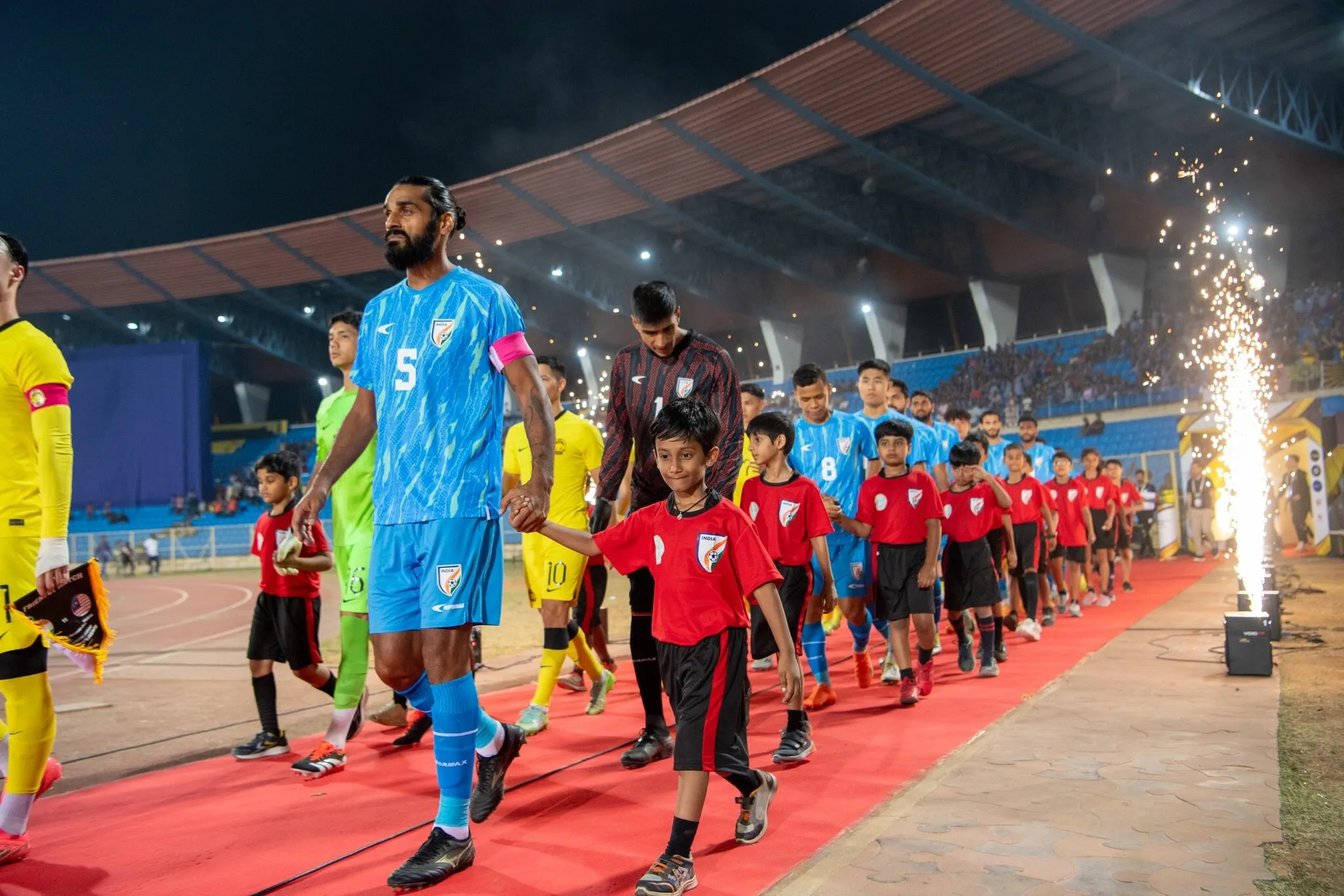
FIFA international match calendar is the invisible framework that keeps the world’s most popular sport running smoothly. Every fan who cheers for their national team, every player who dreams of representing their country, and every coach who plans for tournaments relies on this calendar. It dictates when nations clash, when clubs release their stars, and when football’s biggest spectacles unfold.
Why the FIFA International Match Calendar Matters
Without the FIFA international match calendar, chaos would reign. Imagine clubs refusing to release players for qualifiers, or national teams scheduling matches during peak domestic league seasons. The calendar ensures harmony between club football and international duty, balancing the interests of federations, players, and fans.
For example, when Lionel Messi left Paris Saint-Germain to play for Argentina in World Cup qualifiers, it was possible only because the calendar mandated release periods. This structure guarantees that football remains a truly global sport, not just a club-centered game.
Evolution of the FIFA International Match Calendar
The FIFA international match calendar has evolved over decades. Initially, international matches were sporadic, often clashing with domestic competitions. As football grew into a billion-dollar industry, FIFA recognized the need for a standardized schedule.
Today, the calendar includes fixed international windows, ensuring players can represent their countries without jeopardizing club commitments. These windows cover World Cup qualifiers, continental championships, and friendlies. The balance is delicate, but it’s what keeps football unified across continents.
Key Features of the FIFA International Match Calendar
The calendar is more than dates on paper; it’s a carefully crafted system. It includes designated release periods where clubs must allow players to join their national teams. It also sets aside time for major tournaments like the FIFA World Cup, UEFA European Championship, Copa América, and Africa Cup of Nations.
Fans often look forward to these windows because they bring high-stakes matches. For instance, the September and October slots are crucial for World Cup qualifiers, while June often hosts continental tournaments.
Impact on Players and Clubs
The FIFA international match calendar directly affects player workload. Stars like Kylian Mbappé, Mohamed Salah, and Harry Kane juggle intense club seasons with demanding international schedules. The calendar ensures they get rest periods, though debates about fixture congestion remain.
Clubs sometimes complain about losing key players to international duty, especially when injuries occur. Yet, the calendar’s structure ensures fairness—every club faces the same challenge, and every nation gets access to its best talent.
Fans and the Global Football Experience
For fans, the FIFA international match calendar is a roadmap to excitement. It tells them when their national team will play, when rivalries reignite, and when tournaments begin. Supporters in Brazil, Spain, or Nigeria plan their lives around these fixtures, booking tickets, arranging watch parties, and traveling across continents.
The calendar also fuels storytelling. Think of Germany’s clash with Italy in qualifiers or Argentina’s battles with Brazil. These matches become part of football folklore, all thanks to the structured scheduling.
Challenges and Controversies
Despite its importance, the FIFA international match calendar faces criticism. Fixture congestion is a major issue, with players often playing over 60 matches a year. Clubs argue that international breaks disrupt domestic momentum, while federations insist on their right to field the best squads.
Recent debates about expanding the World Cup and introducing new tournaments have added pressure. Balancing innovation with player welfare is the calendar’s toughest challenge.
Looking Ahead
The future of the FIFA international match calendar will likely involve more flexibility. FIFA is exploring ways to reduce travel burdens, especially for players in Europe and South America who often fly long distances for qualifiers. Technology, analytics, and player welfare studies will shape how the calendar evolves.
Fans can expect more streamlined schedules, but the essence will remain: ensuring that football remains both a club and country sport.
Final Word
The FIFA international match calendar is the heartbeat of global football. It ensures that stars shine for both their clubs and nations, that fans experience unforgettable rivalries, and that the sport remains truly international. Without it, football would lose its rhythm, its balance, and its magic.
mumbai city fc vs hyderabad fc lineups
inter milan vs bologna fc lineups
jamshedpur fc vs mumbai city fc lineups
real madrid vs girona fc lineups
