

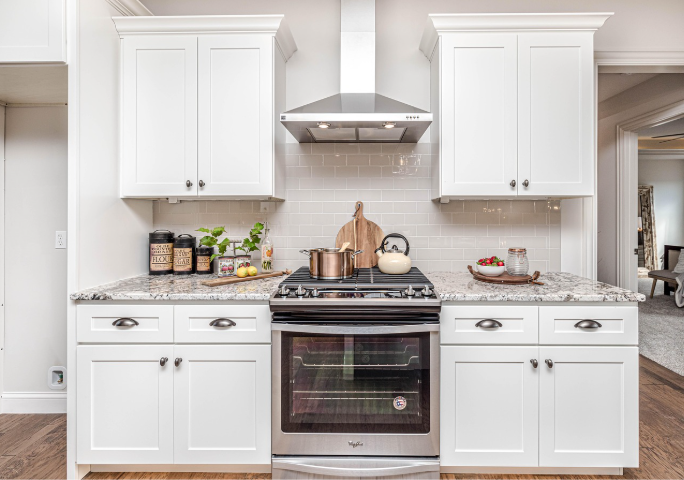
Choosing the right countertop is an important step in any kitchen renovation. Many homeowners consider silestone countertop cost when planning their budget because this material offers both durability and style. Silestone is a popular engineered quartz surface known for its resistance to stains, scratches, and heat, making it ideal for kitchens. Understanding the costs and how to manage your kitchen budget effectively can help create a beautiful and functional space without overspending.
Understanding Silestone Countertop Cost
The price of Silestone countertops varies based on several factors, including the thickness of the slab, the color and pattern selected, and the complexity of the installation. Typically, Silestone costs more than laminate but less than natural stones like granite or marble.
Thickness matters because thicker slabs generally cost more due to the extra material used. Popular thickness options include 2 cm and 3 cm, with 3 cm offering a more robust look and feel.
The choice of color can also affect price. Some exclusive or trending silestone countertop colors may carry a premium. For example, classic whites or neutrals tend to be less expensive than rare or unique shades.
Installation costs depend on the shape and size of the countertop, the need for cutouts for sinks or appliances, and any additional features like backsplashes or edge profiles. More complex designs can increase labor charges.
Despite the cost, many homeowners find Silestone a worthwhile investment because of its long lifespan and low maintenance needs. It provides a modern look that complements a variety of kitchen styles.
Budgeting with Kitchen Remodeling Tips
Managing your kitchen upgrade budget involves more than just selecting materials. Following smart kitchen remodeling tips ensures money is spent wisely and the project stays on track.
First, it is important to measure your kitchen accurately. Knowing the exact dimensions helps avoid ordering excess material, which adds unnecessary cost. It also allows for better planning of layout and design.
Next, consider the balance between materials and labor. Sometimes spending a bit more on a higher-quality product can reduce future maintenance and repair costs. Similarly, hiring experienced professionals for installation can prevent costly mistakes.
Focusing on key areas that impact function and aesthetics can maximize value. For example, upgrading the countertops can transform the look of the kitchen without the expense of replacing cabinets or appliances.
Keeping your remodeling goals clear helps prioritize spending. Whether the aim is a full kitchen makeover or just a fresh surface, understanding what matters most supports effective budgeting.
Material Choices and Cost Comparison
When considering silestone countertop cost, it helps to compare with other materials. Laminate remains the most affordable but lacks the durability and premium feel of quartz surfaces.
Granite and marble offer natural beauty but often require sealing and careful maintenance. They tend to be more expensive than Silestone and have more variation in appearance.
Solid surface materials, such as Corian, are mid-range in price but can be prone to scratches and heat damage. Silestone combines the best qualities of durability and ease of care with consistent looks.
Quartz surfaces are engineered to be low maintenance and resistant to common kitchen hazards. This reduces long-term expenses and makes them attractive for busy households.
Installation Factors Influencing Cost
Installation is a significant part of the total countertop expense. Complex kitchen layouts with many corners, islands, or unusual shapes require more precise cutting and fitting, increasing labor costs.
Custom edge profiles add to the installation price. Options like beveled, bullnose, or ogee edges need additional time and skill to fabricate.
Cutouts for sinks, cooktops, and faucets also affect cost. More cutouts mean more labor and potential for waste material.
Hiring licensed contractors with experience installing Silestone ensures proper handling and fitting. Poor installation can lead to cracks or damage, which is expensive to fix.
Tips for Maximizing Value
Balancing quality and cost is key when choosing Silestone countertops. Selecting standard colors and finishes usually reduces expenses compared to custom or rare options.
Choosing a popular slab thickness like 2 cm instead of 3 cm can save money while still maintaining a strong surface.
Coordinating countertop installation with other kitchen upgrades can reduce overall project costs. For example, scheduling countertop work alongside cabinet painting or flooring installation saves on labor.
Regular maintenance and proper care extend the life of Silestone surfaces. Cleaning with mild soap and water and avoiding harsh chemicals prevents damage.
Design Considerations for Budget Planning
The design of your kitchen impacts both aesthetics and cost. Simple, straight countertop runs are less expensive than intricate layouts with multiple angles.
Integrating a backsplash made from the same Silestone material can add visual appeal but also increases cost. Choosing alternative backsplash materials can balance design and budget.
Matching countertop color with cabinetry and flooring creates a cohesive look without requiring additional decorative elements.
Light colors in Silestone countertops tend to show fewer stains and scratches, reducing cleaning efforts and maintaining a fresh appearance.
Choosing Professionals for Installation
Selecting the right installers influences both quality and cost control. Experienced professionals familiar with Silestone can provide accurate estimates and timelines.
They can also advise on design options that fit your budget while achieving desired looks.
Good communication with your contractor ensures expectations are clear and changes are managed efficiently.
