

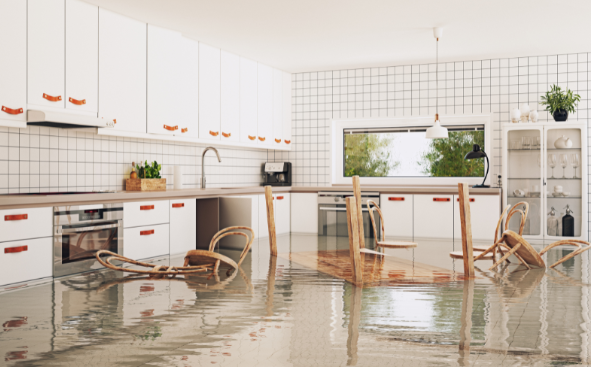
Plumbing crises can occur at any time, leading to stress and possible property damage. While calling an emergency plumber is the best course of action, there are essential things you should do first to reduce damage and get ready for a quick fix. Following these steps will also help the plumbing company in Singapore diagnose and fix the issue more efficiently.
Identify the Plumbing Problem
Before calling an emergency plumber, assess the severity of the issue. Common plumbing emergencies include burst pipes, overflowing toilets, severe leaks, and clogged drains. If water is gushing uncontrollably or causing structural damage, immediate action is required. However, minor leaks or slow drainage may not require an emergency service and could be scheduled during normal business hours. Accurately describing the problem to the plumber will help them determine the right tools and approach.
Shut Off the Water Supply
If the issue involves leaking or flooding, turn off the water supply immediately to prevent further damage. Locate the main shutoff valve, usually found near the water meter, and turn it off. If the problem is isolated to a specific fixture, such as a sink or toilet, you can use the shutoff valve near the affected area instead. This step can prevent water damage and reduce the urgency of the situation until professional help arrives.
Contain the Water Damage
Use towels, buckets, or mops to absorb excess water and prevent it from spreading to other areas of your home. For severe leaks, consider using a waterproof tarp or plastic sheeting to protect furniture and flooring. If there is standing water, use a wet vacuum to remove it. The faster you contain the damage, the lower the risk of mould growth, structural weakening, and expensive repairs.
Check for Electrical Hazards
If water has come into contact with electrical outlets, appliances, or wiring, turn off the electricity at the circuit breaker to prevent electrical hazards. Avoid standing in water where there is a potential risk of electrocution. If the plumbing emergency is in an area with exposed electrical components, inform the emergency plumber in Singapore so they can take necessary precautions before starting repairs.
Attempt Temporary Fixes If Possible
In some cases, a temporary fix can prevent further damage while waiting for the plumber. For minor leaks, use a pipe clamp, plumber’s tape, or a bucket to collect dripping water. If a toilet is overflowing, turn off the water supply to the toilet and try using a plunger. Temporary solutions can help control the problem and prevent worsening conditions before professional repair is conducted.
Gather Important Information
Before calling a plumbing company, gather key details that will help them diagnose the issue faster. Be prepared to provide information such as:
- The type of plumbing problem (e.g., leak, blockage, burst pipe)
- The location of the issue (e.g., kitchen sink, bathroom, water heater)
- Any temporary fixes you have attempted
- Whether the problem has occurred before
This information will allow the plumber to arrive with the right tools and a better understanding of the situation.
Research and Contact a Reliable Plumbing Company
Not all plumbing companies offer 24/7 emergency services, so it’s important to find a plumbing company that specialises in urgent repairs. Look for companies with positive customer reviews, proper licensing, and experience in handling emergency situations. Ask about their response time and service fees before confirming the appointment. Avoid choosing the first company you find without verifying their reliability, as unqualified plumbers may cause more damage or overcharge for services.
Understand the Costs and Payment Terms
Emergency plumbing services often cost more than regular repairs due to urgent response times and after-hours service. Before hiring a plumbing company, ask for an estimate, including potential additional charges such as late-night fees, material costs, and labour rates. While exact pricing may depend on the severity of the issue, a professional company should be able to provide a rough estimate before starting the work. Understanding these costs upfront can prevent unexpected expenses later.
Clear the Work Area
Once the plumber is on the way, clear the area around the plumbing issue to provide easy access. Move furniture, cleaning supplies, or other obstructions that may slow down the repair process. If the emergency is in the kitchen or bathroom, remove personal items from the sink or floor to help the plumber work efficiently. A clutter-free workspace will speed up the repair process and allow the plumber to complete the job more effectively.
Follow Up After Repairs
After the emergency plumber completes the repair, ask for a summary of what caused the issue and whether any preventive measures should be taken. In some cases, plumbing problems are a sign of larger underlying issues, such as ageing pipes or poor drainage systems. Consider scheduling a follow-up inspection with a plumbing company to identify any potential risks and prevent future emergencies. Regular maintenance and inspections can help reduce the likelihood of costly plumbing problems in the future.
Conclusion
Avoiding needless expenses, guaranteeing a speedy repair, and minimising damage can all be achieved by following the proper procedures before contacting an emergency plumber. Homeowners and companies should take the following critical steps: determining the issue, turning off the water supply, and getting in touch with a trustworthy plumbing company in Singapore. You can handle plumbing problems more skillfully and prevent significant damage to your house by being ready and acting quickly.
Contact QB Plumbing for reliable, professional, and prompt emergency plumbing solutions!
