

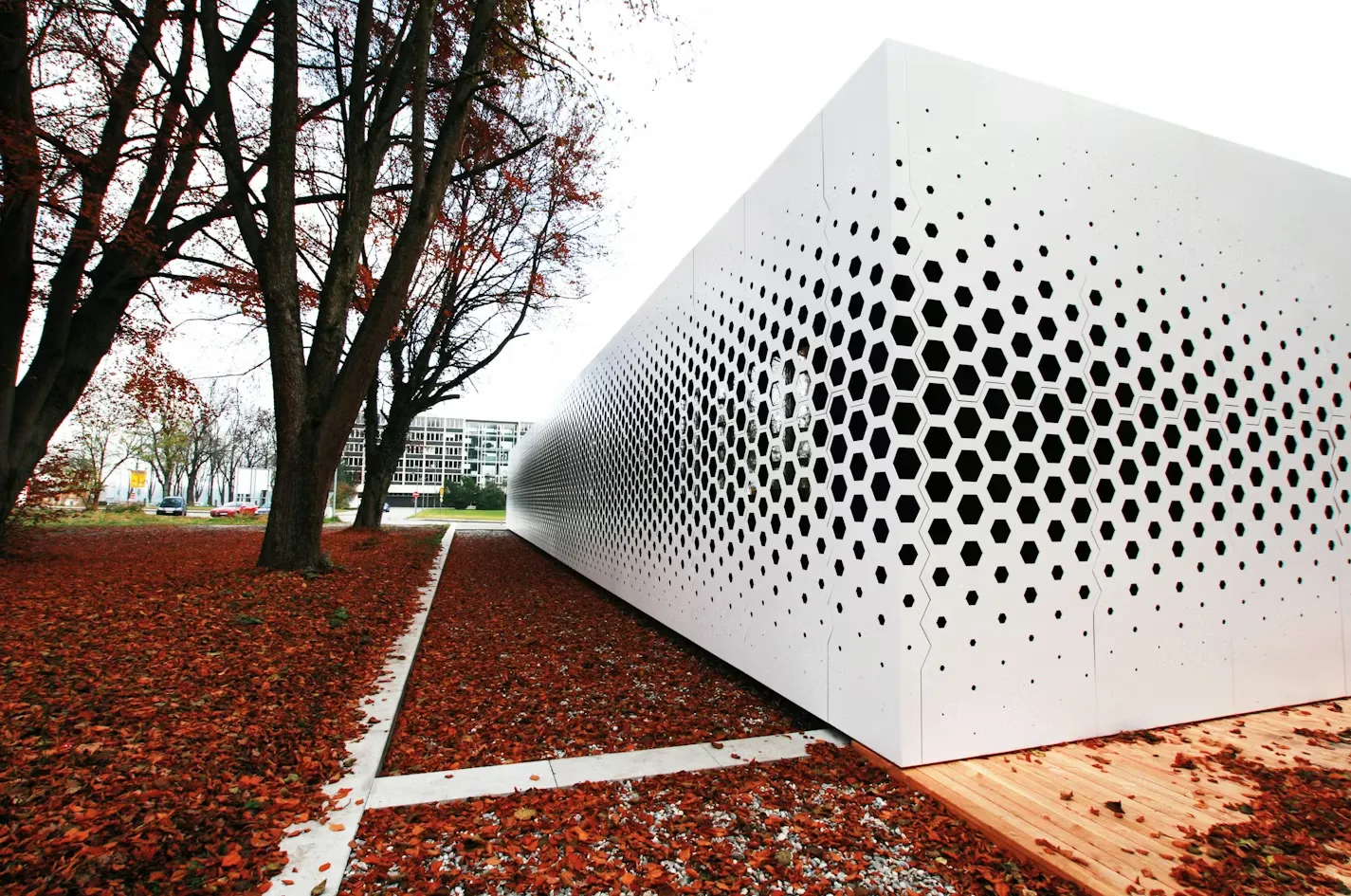
Parametric facade design is revolutionizing the way architects and designers approach building exteriors. Instead of static, uniform surfaces, parametric methods allow facades to respond to environmental conditions, cultural context, and aesthetic goals in ways that were once unimaginable. Imagine walking past a building whose skin seems alive, adapting to sunlight, airflow, and even the movement of people. That’s the power of parametric thinking applied to architecture.
The Origins of Parametric Facade Design
The term “parametric” refers to the use of parameters—rules, variables, and algorithms—to shape design outcomes. In architecture, this approach gained momentum with the rise of computational tools in the late 20th century. Parametric facade design emerged as a natural extension, enabling architects to create complex geometries and adaptive surfaces that traditional methods couldn’t achieve.
Think of Zaha Hadid Architects or Foster + Partners, firms that pioneered parametric approaches. Their projects often feature flowing, organic facades that seem sculpted by nature yet are meticulously calculated by algorithms.
Why Parametric Facade Design Matters Today
Cities are evolving rapidly, and buildings must do more than just stand tall—they must interact with their environment. Parametric facade design addresses this need by creating exteriors that optimize energy efficiency, regulate light, and enhance urban aesthetics.
For example, the Al Bahar Towers in Abu Dhabi feature a dynamic shading system inspired by traditional mashrabiya screens. The facade opens and closes in response to sunlight, reducing heat gain and cutting energy consumption. This isn’t just design—it’s performance.
Principles of Parametric Facade Design
At its core, parametric facade design relies on a few guiding principles:
- Flexibility: Facades can adapt to changing conditions.
- Complexity: Algorithms allow intricate geometries that remain functional.
- Integration: Designs merge aesthetics with sustainability and technology.
These principles ensure that parametric facades are not only visually striking but also practical in terms of energy use and occupant comfort.
Real-Life Examples of Parametric Facade Design
One of the most iconic examples is the Heydar Aliyev Center in Baku, designed by Zaha Hadid. Its flowing facade blurs the line between roof and wall, creating a seamless, sculptural form.
Another example is the Media-TIC building in Barcelona, which uses an ETFE facade that adjusts to solar exposure. This lightweight, responsive skin reduces cooling demands while creating a futuristic aesthetic.
The Human Experience of Parametric Facade Design
Walking past a parametric building often feels like encountering a living organism. The facade might ripple like fabric, curve like waves, or shift like petals. These dynamic qualities evoke emotional responses, making architecture more engaging and memorable.
For office workers, students, or residents, parametric facades can improve daily life. By controlling daylight, reducing glare, and enhancing ventilation, they create healthier indoor environments.
Sustainability Through Parametric Facade Design
Sustainability is at the heart of parametric thinking. By analyzing environmental data, facades can be designed to minimize energy use. Shading systems reduce cooling loads, perforated panels optimize airflow, and responsive materials adapt to weather conditions.
Take the example of the O-14 Tower in Dubai. Its perforated concrete facade acts as a sunscreen, reducing heat while maintaining views. This parametric approach combines beauty with efficiency.
Parametric Facade Design in Workplaces
Corporate offices are increasingly adopting parametric facades to reflect innovation and sustainability. A dynamic exterior signals forward-thinking values while improving employee well-being. Natural light, controlled through parametric shading, boosts productivity and reduces reliance on artificial lighting.
For instance, Bloomberg’s London headquarters integrates parametric elements that maximize daylight while reducing energy consumption. The facade becomes part of the company’s identity, embodying transparency and innovation.
Residential Applications of Parametric Facade Design
Homes are also embracing parametric facades. Imagine a residence with a perforated screen that filters sunlight into geometric patterns across the living room. Or a house with a responsive skin that adjusts to seasonal changes, keeping interiors comfortable year-round.
These designs not only elevate aesthetics but also enhance livability. Families benefit from improved thermal comfort, reduced energy bills, and unique architectural character.
The Future of Parametric Facade Design
As technology advances, parametric facades will become even more interactive. Smart materials, AI-driven algorithms, and responsive sensors will allow buildings to adapt in real time. Urban landscapes may soon feature facades that change color, texture, or transparency based on environmental or social cues.
Architects envision cities where parametric facades create dynamic skylines, blending sustainability with artistry. Schools, hospitals, and public spaces will increasingly adopt these principles, making adaptive architecture accessible to all.
Challenges in Parametric Facade Design
Despite its promise, parametric design faces challenges. Costs can be high, computational expertise is required, and maintenance of complex systems can be demanding. Yet, as awareness grows and technology becomes more affordable, these barriers are gradually diminishing.
Cultural Identity in Parametric Facade Design
Interestingly, parametric facades often draw inspiration from cultural traditions. The Al Bahar Towers reference Islamic geometry, while other projects echo local crafts or natural landscapes. By merging modern algorithms with cultural heritage, parametric facades create architecture that resonates deeply with communities.
Continuation Without Conclusion
The journey of parametric facade design is ongoing. From futuristic towers to sustainable homes, it continues to reshape how we perceive and interact with architecture. Each new project adds to a growing movement that values adaptability, creativity, and environmental responsibility.
Read also :-
