

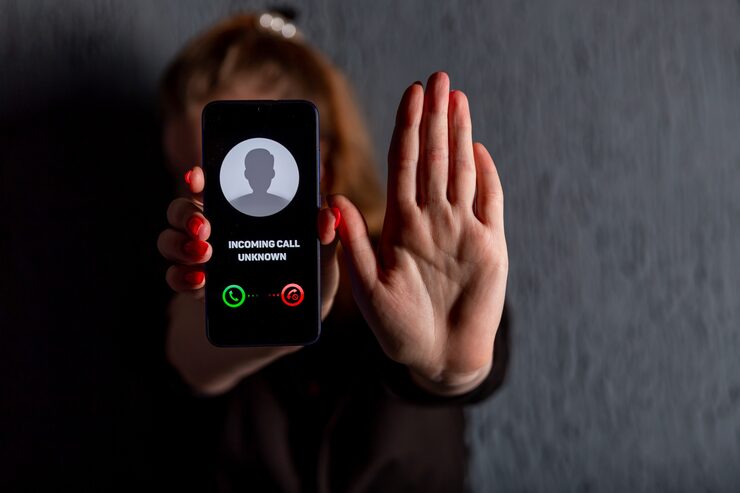
5147004409 is a number that has been appearing on phone screens across the country, leaving many people wondering whether they should pick up or hit the ignore button. In an era where our smartphones are extensions of our personal and professional lives, an unknown call can be a source of significant anxiety. You might be waiting for a call from a doctor, a potential employer, or a long-lost friend, which makes the decision to decline a call difficult. However, reports regarding this specific number suggest that caution is the most appropriate response for anyone who sees it popping up on their caller ID.
The rise of telecommunications technology has brought incredible convenience, but it has also opened the door for sophisticated tactics designed to exploit unsuspecting individuals. When a number like this one starts frequently appearing in public databases and community forums, it usually indicates a pattern of behavior that falls outside the norm of standard communication. Whether it is a persistent telemarketer or something more nefarious like a phishing attempt, understanding how to handle these interactions is a critical skill in the modern digital landscape.
Imagine you are sitting down for dinner after a long day of work when your phone begins to buzz on the table. You see a ten-digit number you don’t recognize, perhaps with a location tag that seems familiar but doesn’t quite ring a bell. You answer, hoping it’s the delivery driver or a neighbor, only to be met with a long silence or a pre-recorded voice claiming there is an issue with your tax filings or your social security number. This experience is becoming all too common, and it highlights the necessity of staying informed about specific threats.
Analyzing the Patterns of 5147004409
To truly understand the nature of 5147004409, we have to look at the data provided by thousands of users who have shared their experiences online. Many reports indicate that the caller often uses high-pressure tactics or remains silent when the call is first answered. Silence is a common tactic used by automated dialing systems to verify if a line is active and if a human being is on the other end. Once you speak, the system logs your number as “live,” which often leads to an increase in the frequency of calls from various other suspicious numbers.
The expertise required to navigate these calls involves recognizing the signs of “spoofing.” Caller ID spoofing occurs when a caller deliberately falsifies the information transmitted to your caller ID display to disguise their identity. Often, they will use a local area code to make it appear as though the call is coming from a trusted neighbor or a local business. This psychological trick, known as “neighbor spoofing,” significantly increases the likelihood that a person will answer the phone, as we are naturally more inclined to trust local connections.
Experience shows that these callers often target specific demographics, such as the elderly or new immigrants, who might be less familiar with the common scripts used by scammers. By creating a sense of urgency, the caller hopes to bypass your logical thinking and trigger an emotional response. They might claim that a legal warrant has been issued or that a utility service is about to be shut off unless an immediate payment is made. Recognizing that these are standard scripts is the first step in reclaiming control over your personal communication.
How to Handle Calls From 5147004409 Effectively
If you find yourself being frequently contacted by 5147004409, the most effective strategy is to stop engaging entirely. Every time you answer the phone, press a button to “opt-out,” or speak to a representative, you are confirming that your phone number is valid and that you are willing to interact. This information is highly valuable in the underground economy where lists of “vulnerable” or “responsive” phone numbers are bought and sold. By simply letting the call go to voicemail, you are protecting your long-term digital privacy.
Modern smartphones come equipped with powerful tools designed to filter out these types of disturbances. Both iOS and Android devices offer settings that allow you to silence unknown callers automatically. When this feature is enabled, any call from a number not in your contact list will be sent directly to voicemail without your phone ringing. This is an excellent way to filter out the noise while still allowing legitimate callers to leave a message that you can review at your convenience.
Furthermore, there are third-party applications specifically designed to crowdsource data on suspicious numbers. These apps maintain a massive database of reported spam numbers and can block them before they even reach your device. When you use these tools, you are contributing to a global network of protection. If you receive a call from this specific number and report it within the app, you are helping thousands of other users avoid the same frustration, building a community-driven wall against telecommunications fraud.
The Anatomy of a Phishing Attempt
It is important to dive deeper into why a number like 5147004409 might be calling you in the first place. Most of these operations are not individual people sitting in a room dialing numbers one by one; they are massive, automated “call centers” that use Voice over Internet Protocol (VoIP) technology to make thousands of calls per minute. The goal is often phishing, a term used to describe the attempt to obtain sensitive information such as usernames, passwords, and credit card details by masquerading as a trustworthy entity.
In a typical scenario, the caller might pose as a representative from a well-known bank or a government agency. They might say, “We’ve noticed some suspicious activity on your account and need to verify your identity.” This sounds helpful and professional, which is exactly why it works. They will then ask for your full name, date of birth, or the last four digits of your social security number. With these small pieces of information, a skilled identity thief can begin to piece together enough data to access your financial accounts or open new lines of credit in your name.
Trustworthiness is something that a legitimate business earns through secure channels and verified communication. A real bank will never call you out of the blue and ask for your password or full social security number over the phone. If you are ever in doubt, the best course of action is to hang up immediately and call the organization back using a trusted phone number found on their official website or on the back of your physical credit card. This simple step ensures that you are actually speaking to who you think you are.
Understanding the Risks Linked to 5147004409
The persistent nature of calls from 5147004409 suggests that it is part of a larger, organized effort. One of the primary risks involved in interacting with such callers is the potential for “voice cloning” or “vishing” (voice phishing). With just a few seconds of your recorded voice, advanced AI tools can now create a digital clone of your speech patterns. This clone can then be used to trick your family members or even bypass voice-authenticated security systems at financial institutions.
This is a sobering reality of the world we live in, but it is not a reason to live in fear. It is a reason to be disciplined with your communication. If an unknown caller asks, “Can you hear me?” a common instinct is to say “Yes.” However, scammers often record that “Yes” and use it as a signature to authorize fraudulent charges or changes to your accounts. Instead of answering questions, it is always better to remain silent or ask who is calling before providing any verbal confirmation.
The authoritativeness of your response can sometimes deter a scammer. If you do answer and realize the call is suspicious, you don’t need to be polite. You can simply hang up. There is no social obligation to remain on the line with someone who is potentially trying to defraud you. By ending the call quickly, you minimize the amount of data they can collect about you, including your voice, your reactions, and your willingness to engage with their script.
Legal Protections and Reporting Scams
Many people feel helpless when dealing with persistent callers, but there are legal frameworks in place to help combat this issue. In the United States, the Federal Trade Commission (FTC) and the Federal Communications Commission (FCC) are the primary agencies responsible for regulating telecommunications and protecting consumers. You can register your number on the National Do Not Call Registry, which is a significant step in reducing the number of legitimate telemarketing calls you receive.
While the Do Not Call Registry won’t stop criminals who are already breaking the law, it makes it much easier to identify which calls are definitely suspicious. If you are on the list and a number like 5147004409 still calls you, you know immediately that the caller is not following federal guidelines. This realization allows you to dismiss the call with total confidence. Reporting these numbers to the FTC’s official website helps government agencies track the origin of these calls and build legal cases against the operators of illegal call centers.
In addition to federal reporting, many state attorneys general have task forces dedicated to consumer protection. These offices often provide resources and alerts about the latest scams circulating in your specific region. Staying connected with these resources enhances your expertise in personal security. It turns you from a potential target into an informed citizen who understands the mechanics of the “scam economy” and knows how to fight back using the proper legal channels.
The Role of Telecommunications Providers
Phone companies are also under increasing pressure to protect their customers from fraudulent calls. Many providers have implemented “STIR/SHAKEN” technology, which is a framework of interconnected standards. This technology allows service providers to verify that the caller ID information matches the actual origin of the call. When a call is verified, you might see a “Caller Verified” checkmark on your screen. If a number lacks this verification, it is a massive red flag that the identity of the caller cannot be confirmed.
As these technologies become more widespread, it will become harder for scammers to reach their targets. However, as the defense becomes stronger, the attackers often become more creative. This is why human intuition remains the most important line of defense. No matter how many filters or legal protections are in place, the final decision to trust a caller rests with you. Developing a “healthy skepticism” is the most effective tool you have for maintaining your financial and emotional well-being.
Think of your phone number as a piece of sensitive property. You wouldn’t give the keys to your house to a stranger on the street, and you shouldn’t give access to your time and attention to a stranger on the phone. By treating your digital presence with the same level of care that you treat your physical presence, you create a life that is much harder for scammers to disrupt. This proactive approach to security is the hallmark of a savvy digital consumer.
Protecting Your Family From Suspicious Callers
Often, the concern isn’t just for ourselves, but for our loved ones who may be more vulnerable. Grandparents, in particular, are frequently targeted by the “Grandparent Scam,” where a caller pretends to be a grandchild in trouble, needing money for bail or emergency repairs. They might use a number that looks official to add a layer of credibility to their story. Educating your family members about the existence of numbers like this one and the tactics they use is a powerful act of protection.
You can set up a “family code word” that must be used in any emergency situation involving a request for money. If someone calls claiming to be a family member but doesn’t know the code word, your loved one will know immediately that it is a scam. This simple, low-tech solution provides immense peace of mind and can save your family from devastating financial losses and the emotional trauma that comes with being a victim of fraud.
Furthermore, helping your older relatives set up “Silence Unknown Callers” on their phones can prevent them from ever having to deal with the stress of these interactions. By taking a few minutes to adjust their settings and explain why it’s important, you are providing a layer of security that they might not have been able to implement on their own. This shared knowledge strengthens the entire family unit against the rising tide of digital deception.
Moving Forward With Confidence
The internet is full of information, and it can be difficult to know what to trust. When you search for a number and find reports of suspicious activity, you are participating in a form of collective intelligence. The fact that you are looking for information is a sign that your instincts are working. Trusting those instincts is vital. If a call feels “off,” it probably is. There is no harm in ignoring a call, but there can be significant harm in engaging with the wrong person.
As we move forward into a future where AI and automated systems become even more prevalent, the value of verified, human-to-human communication will only increase. We must become the gatekeepers of our own attention. By staying informed about specific threats and understanding the broader context of telecommunications fraud, you are taking a major step toward a more secure digital life. You have the power to decide who gets to talk to you and who doesn’t.
The world of suspicious callers is vast, but it is not infinite. Scammers rely on volume and the hope that a small percentage of people will fall for their tricks. When we educate ourselves and share that knowledge with others, we shrink the pool of potential victims. This makes the “business model” of scamming less profitable and eventually less attractive to those who run these operations. Your individual actions contribute to a safer environment for everyone.
Remember that your peace of mind is worth more than any potential call you might miss. If it’s important, they will leave a message. If they leave a message, you can vet it. If they don’t leave a message, then it wasn’t worth your time in the first place. This simple philosophy can drastically reduce the stress associated with your smartphone and allow you to enjoy the benefits of technology without the constant fear of being targeted by unknown callers.
