

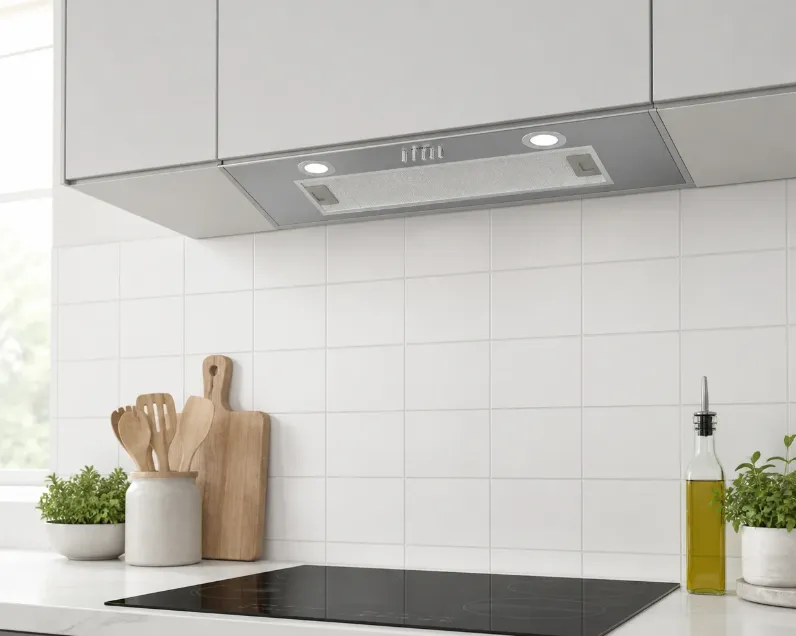
A fresh, comfortable kitchen starts with more than beautiful cabinets and stylish appliances. It depends on the air you breathe while preparing your favorite meals. From sizzling vegetables and frying chicken to simmering sauces and grilling flavorful ingredients, everyday cooking releases smoke, grease, heat, and lingering odors into the air. Without proper ventilation, these unwanted elements can quickly make your kitchen feel stuffy and uncomfortable. That is where a 400 CFM range hood becomes a valuable addition to a modern cooking space.
Combining practical ventilation power with everyday convenience, this type of kitchen appliance can help create a cleaner, fresher, and more enjoyable cooking environment. Whether you are renovating an outdated kitchen, upgrading your cooking equipment, or designing a new home, understanding how ventilation works can help you choose an option that suits your lifestyle. With the right features, thoughtful installation, and regular maintenance, a well-designed range hood can make a noticeable difference in your daily cooking experience.
What Does 400 CFM Mean in a Range Hood?
CFM stands for cubic feet per minute, a measurement that describes how much air a ventilation system can move. A hood rated at 400 CFM is designed to move up to 400 cubic feet of air per minute under specified operating conditions. Actual airflow can vary depending on ductwork, installation quality, filters, and the resistance created by the ventilation system.
This capacity offers a practical middle ground for many residential kitchens. It can provide sufficient ventilation for everyday activities such as boiling pasta, sautéing vegetables, preparing breakfast, and cooking family dinners. However, the ideal airflow depends on several factors, including your cooktop size, cooking habits, kitchen layout, and whether you frequently use high-heat cooking techniques.
Instead of automatically choosing the most powerful model available, consider how you actually use your kitchen. A properly matched ventilation system can provide effective performance without unnecessary noise, excessive energy consumption, or installation complications.
Why Choose a 400 CFM Range Hood?
A kitchen should feel inviting, not like a room filled with yesterday’s cooking smells. A suitable ventilation system helps remove airborne particles and odors before they spread throughout your home.
1. Effective Smoke and Odor Removal
Cooking odors can linger long after the meal is finished. Fried foods, roasted vegetables, and aromatic spices can leave persistent smells on nearby fabrics and surfaces. A 400 CFM model can help capture and remove cooking fumes when properly positioned and operated.
For the best results, switch the hood on before cooking begins and let it continue running briefly after you finish. This simple habit gives the ventilation system more time to capture airborne contaminants.
2. Better Control of Grease and Airborne Particles
Hot oil and greasy cooking fumes can travel beyond the stovetop, settling on cabinets, backsplashes, and countertops. Over time, this buildup may create sticky surfaces that require frequent cleaning.
A range hood equipped with effective grease filters helps capture many grease particles before they spread around the kitchen. Washable metal filters are especially convenient because they can typically be removed and cleaned according to the manufacturer’s instructions.
Although ventilation cannot eliminate every airborne particle, it can help reduce the amount of cooking residue that escapes into the surrounding space.
3. A More Comfortable Cooking Environment
Cooking over a hot stove can quickly raise the temperature around your work area. A ventilation system helps remove some heat, steam, and warm air produced during cooking, making meal preparation more comfortable.
The improvement depends on the cooking method, hood design, and ventilation configuration. Even so, effective extraction can make a difference when preparing meals that involve boiling liquids, frying ingredients, or cooking several dishes simultaneously.
4. Practical Performance for Everyday Meals
Not every household needs commercial-style ventilation. Many home cooks prepare simple meals using moderate heat, with occasional frying or roasting.
A 400 CFM hood may offer a sensible balance for these everyday needs, particularly when paired with an appropriately sized cooking surface and well-designed ductwork. Its variable fan speeds can also help you adjust ventilation to match the task, using lower settings for gentle cooking and higher settings when smoke or steam increases.
Important Features to Look for Before Buying
Airflow capacity is important, but it should not be the only factor influencing your decision. The right combination of features can improve convenience, performance, and long-term satisfaction.
Adjustable Fan Speeds
Multiple fan settings allow you to control ventilation according to your cooking activity. A low setting may be suitable for simmering soup, while a higher setting can help manage heavier cooking fumes.
Look for controls that are easy to operate, clearly labeled, and conveniently positioned.
Efficient Grease Filters
Grease filters help protect the ventilation system by capturing oil particles before they enter the fan and ductwork. Stainless steel and aluminum mesh filters are common options.
Choose a model with filters that are easy to remove and clean. Consistent maintenance helps preserve airflow and reduces the buildup of grease inside the appliance.
Suitable Lighting
Bright, well-positioned lighting makes it easier to monitor food, check cooking temperatures, and keep track of ingredients. LED lights are popular because they generally offer good illumination with relatively low energy consumption.
Consider whether the lights cover the entire cooking surface rather than illuminating only the center.
Noise Levels
A powerful fan can become distracting if it produces excessive noise. Check the manufacturer’s noise specifications, paying attention to the sound level at different fan speeds.
Duct design, installation quality, and the hood’s construction can all influence operating noise. A model with several speed settings gives you more flexibility to balance airflow and comfort.
Durable Construction and Easy Controls
Stainless steel is a popular choice because it offers a contemporary appearance and is relatively easy to maintain. Other finishes may complement different kitchen styles.
Touch controls, push buttons, and simple mechanical switches can all work well. The best choice is one that feels intuitive and remains convenient during everyday use.
Ducted vs. Ductless: Which Option Is Better?
One of the most important purchasing decisions involves choosing between ducted and ductless ventilation.
Ducted models carry extracted air outdoors through a dedicated ventilation duct. When correctly installed, they can remove cooking odors, moisture, smoke, and airborne contaminants from the kitchen rather than returning the air to the room.
Ductless models draw air through filters and return it to the kitchen. They commonly use grease filters and activated carbon filters to capture grease and reduce odors. Their effectiveness depends on filter quality, maintenance, and the contaminants involved.
Ductless ventilation can be useful where installing exterior ductwork is impractical. However, it generally does not remove kitchen moisture in the same way as an exhaust system that vents outdoors.
Before purchasing, check the product specifications carefully. Some appliances support both configurations, while others are designed for only one installation type. Remember that a 400 CFM rating does not automatically mean the same real-world performance in every setup.
How to Choose the Right Size for Your Kitchen
A ventilation hood should adequately cover the cooking surface beneath it. A hood that is too narrow may allow smoke and grease to escape around the edges before the fan can capture them.
For many installations, selecting a hood at least as wide as the cooktop is a sensible starting point. A wider hood may improve capture, particularly when cooking on multiple burners. Mounting height also matters: follow the manufacturer’s recommended clearance for your specific cooking appliance.
Your cooking habits deserve equal consideration. If you frequently prepare meals at high heat, use a powerful gas cooktop, or cook with a wok, you may need more ventilation than a typical 400 CFM model provides.
Building requirements, duct length, duct diameter, bends, and makeup-air rules can also affect your selection. Some jurisdictions require additional provisions for exhaust systems operating above particular airflow thresholds. Consult local regulations and a qualified installer before making a final decision.
Installation Tips for Better Performance
Even an excellent ventilation appliance may underperform if installed incorrectly. Careful planning helps you get the most from your investment.
First, confirm that the hood is compatible with your cooktop and available installation space. Next, use ductwork of the size and configuration specified by the manufacturer. Unnecessary bends and restrictive ducts can reduce airflow and increase noise.
For ducted installations, ensure that the exhaust terminates outdoors at an appropriate location. Avoid directing cooking exhaust into an attic, ceiling cavity, or enclosed space.
Electrical connections should follow the product instructions and applicable safety requirements. If installation involves new wiring, structural modifications, or gas-appliance clearances, use a qualified professional.
It is also important to consider replacement air. Exhausting air from a tightly sealed home can create negative pressure, potentially affecting other combustion appliances. Follow applicable local requirements and seek professional advice when necessary.
Maintenance That Keeps Your Range Hood Working Efficiently
Regular maintenance helps preserve airflow, improve hygiene, and extend the useful life of your appliance.
Clean washable grease filters at the intervals recommended by the manufacturer, especially if you frequently fry food. Replace disposable filters when necessary, and change activated carbon filters according to the recommended schedule for ductless models.
Wipe the exterior with a suitable cleaner to remove fingerprints and grease. Avoid abrasive materials that could damage the finish. Periodically inspect accessible duct connections and check for unusual vibration, reduced suction, or changes in fan noise.
If airflow drops noticeably despite clean filters, inspect the installation for possible obstructions and consult a qualified technician when needed.
A few minutes of routine care can help prevent avoidable problems and keep your kitchen ventilation system ready for daily use.
Is a 400 CFM Range Hood Worth It?
For many households, a 400 CFM model can be a practical investment in everyday kitchen comfort. It offers a useful airflow capacity for many routine cooking activities without automatically moving into the higher-capacity category required by some demanding installations.
The best choice depends on your cooking surface, ventilation route, kitchen size, and typical meal preparation. Pay attention to noise levels, filter quality, lighting, ease of cleaning, and installation requirements rather than making your decision on airflow alone.
Ultimately, a thoughtfully selected ventilation system can make cooking more pleasant while helping control smoke, grease, and lingering odors. If you want a cleaner and more comfortable cooking space, choosing the right range hood is a worthwhile step toward building a kitchen that works beautifully for your everyday needs.
