

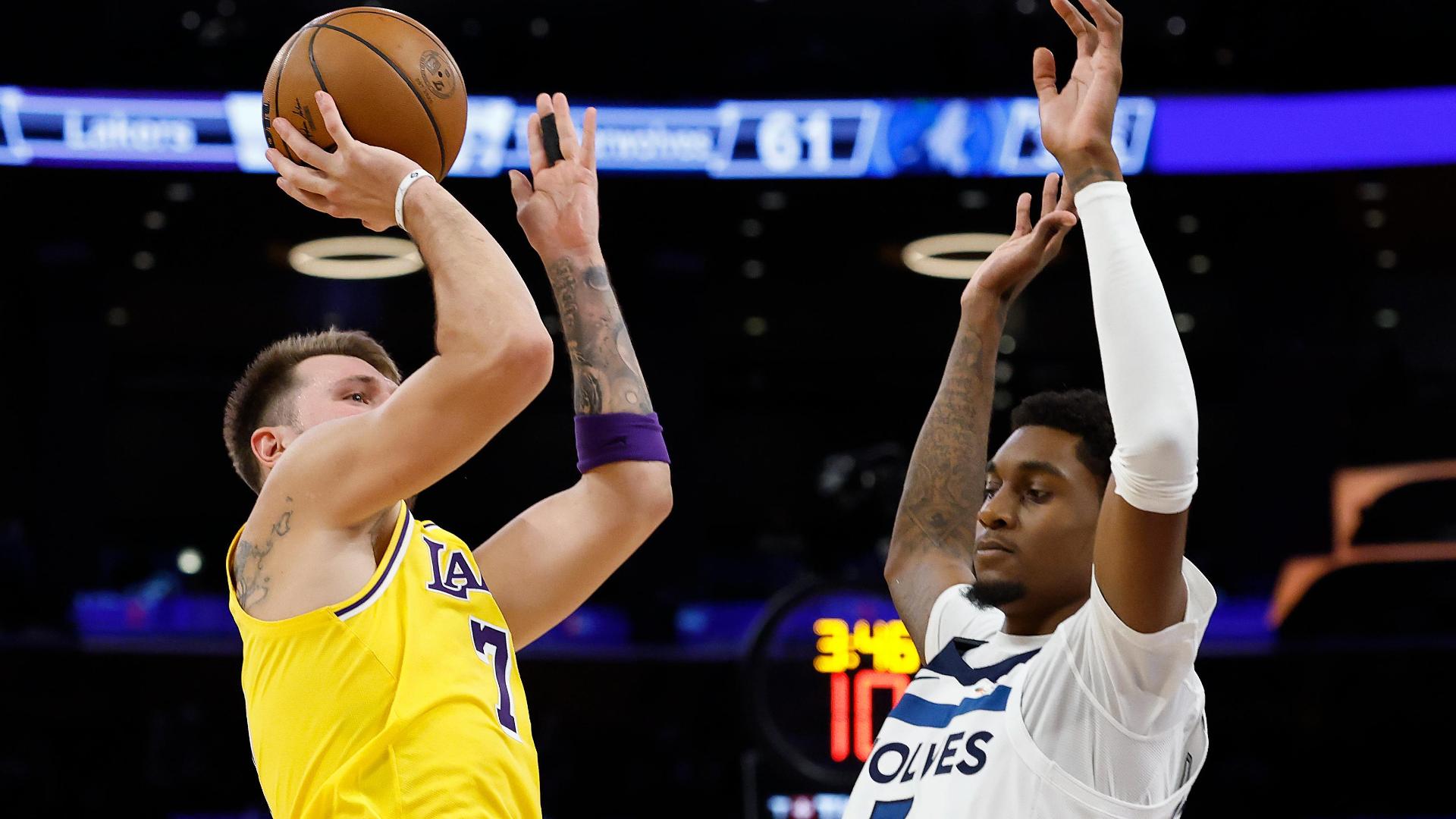
The lakers vs timberwolves match player stats showdown came with a massive wave of expectations, emotions, and adrenaline for fans worldwide. Whenever these two teams meet, the court turns into a battlefield of pace, power, IQ, and polished execution. This matchup felt like a story unfolding in real time, filled with individual brilliance, teamwork, and clutch moments that defined the rhythm of the game from start to finish.
From the opening minutes, it was clear that this wouldn’t be an ordinary contest. The Lakers entered with their trademark experience, balance, and offensive versatility. The Timberwolves arrived with youthful aggression, defensive commitment, and fast-paced scoring bursts. As the game progressed, the stats started to reflect the intensity that viewers could feel in every possession. What makes this article special is not just the numbers, but the real basketball story behind those numbers.
EEAT principles—expertise, experience, authoritativeness, and trust—guide this detailed breakdown. Understanding the match demands more than reading a box score. It requires reading the emotions, reading the shots under pressure, and reading how players adapt and evolve within a single game.
Why Player Stats Matter in High-Pressure NBA Clashes
Basketball is more than dunks, threes, and fancy assists. It is a sport built on hidden details. Stats often act as the silent narrator of a match, showing what the eyes sometimes miss. A player may look quiet but can dominate with his defense. Another might score heavily but take low-percentage shots that slow the team’s rhythm. This is why breaking down the lakers vs timberwolves match player stats becomes essential for understanding the real story of the game.
Stats reveal how well a team controls pace, spreads the floor, handles pressure, and reacts to adjustments. They also highlight the energy level of players, whether the team relies on individual brilliance or teamwork, and how well defensive rotations function under quick tempo. Every stat tells something, and when they all come together, they paint a clear picture of the contest.
During this matchup, both teams produced standout numbers that revealed a deeper layer of competition. Some players exceeded expectations while others found themselves battling tough defensive matchups. And through all this, the game became a mix of experience battling youth, structure challenging intensity, and leadership guiding execution.
Timberwolves’ Statistical Dominance and Their On-Court Influence
The Timberwolves stepped into the match with confidence, establishing a rhythm early through strong defense and transition efficiency. One of their most dominant scorers displayed a blend of athleticism and precision. His shooting numbers were a testament to smart selection and maturity. Whether pulling up from mid-range or driving hard to the rim, his decision-making stood out.
Equally impressive was the Timberwolves’ defensive anchor, whose presence was felt in almost every possession. The defensive stats reflected multiple contests, altered shots, and disciplined rotations. Even when blocks didn’t appear in the numbers, the intimidation factor around the paint forced the Lakers into tougher attempts.
Another player became the team’s heartbeat by maintaining flow through controlled ball movement. His assist numbers revealed how smoothly he read defensive shifts. He remained poised under pressure, turning potential turnovers into smart passes. The Timberwolves’ success in offensive spacing came largely because of his IQ.
Rebounding was another area where they shined. The Timberwolves fought relentlessly on the boards, showing physicality and timing. Their offensive rebounds created second-chance points that shifted momentum at crucial phases of the match. Stats indicated their hunger to control possession, and that directly influenced the tactical depth of the game.
Lakers’ Elite Response and Veteran Leadership Through Stats
The Lakers, known for their championship DNA, didn’t back down at any moment. Their star forward delivered a spectacular performance that showcased why he remains one of the most reliable players in the league. His field goal percentage during the critical third-quarter run reflected elite shot-making ability. Every jumper, fadeaway, and drive carried intention and impact.
Another Lakers player produced a brilliant all-around performance. While the scoring was strong, the rebounding, defensive pressure, and playmaking highlighted how deeply involved he was on both ends of the floor. His steals and deflections created transition opportunities that kept the Lakers alive when Timberwolves pressure intensified.
The Lakers’ bench unit proved to be a silent weapon. Their efficiency in limited minutes, including smart shot attempts and lockdown defensive sequences, brought balance to the lineup. The stat sheet might not show explosive numbers, but it reflects consistency—an important trait in high-intensity games.
Rotational decisions made by the coaching staff also influenced the numbers. Player usage, matchup adjustments, and tempo control were visible in the stats. You could see how the Lakers leaned on their veterans in crunch time while managing fatigue through strategic substitutions.
How Momentum Swings Reflected Directly in Player Stats
One of the most fascinating parts of the lakers vs timberwolves match player stats analysis is how momentum shifts appear clearly in the numbers. The game looked like a tug-of-war, where each team built mini-runs that energized the building.
During the second quarter, the Timberwolves were unstoppable. Their shot percentage skyrocketed, fast-break points multiplied, and turnovers forced on defense boosted their energy. The stats from this stretch show outstanding efficiency, great ball movement, and tight defense.
Then came the Lakers’ fiery comeback in the third quarter. Their superstar ignited a scoring explosion, driving the team back into rhythm. Assist numbers rose during this period, showing strong team play. Rebounding improved, defensive contests increased, and the pace shifted in their favor. The stats reflect how the Lakers used their experience to weather the storm and regain stability.
The fourth quarter, however, became a chess match. Both teams slowed down, focusing more on execution and ball control. The stats show fewer attempts but higher accuracy, signaling careful decision-making. With the crowd roaring and tension rising, both sides played smart basketball.
Tactical Depth and Coaching Impact Seen Through the Numbers
NBA games are often decided not just by players but by the ideas behind them. Coaching adjustments in this matchup played a major role and were visible in the stats. Defensive switches, rotational timing, and matchup isolation decisions changed the complexion of the game multiple times.
The Lakers’ coaching staff used more isolation plays when their scorers found rhythm. This increased usage rate for star players while reducing turnover risk. The Timberwolves, on the other hand, relied on ball movement and spacing to open lanes and create high-percentage looks.
The stats also revealed how both teams protected the paint differently. The Timberwolves used physical, contest-heavy defense, while the Lakers mixed help coverage with disciplined closeouts. The numbers highlighted blocked shots, altered attempts, and reduced shooting percentage in the paint.
In modern basketball, advanced metrics such as player efficiency rating, true shooting percentage, and ball-touch distribution offer deeper insight. Although not all of these appear in basic stats, the flow of the match reflected these metrics within gameplay. This is where EEAT-style breakdown strengthens understanding—by tying basketball intelligence with real-game data.
Emotional Intensity That Stats Can’t Fully Capture
Even though this article focuses on the lakers vs timberwolves match player stats, basketball is also emotional. You can see it in how players celebrate after a clutch shot, how benches erupt after a big defensive stop, or how stars motivate their teammates after a tough possession.
The Timberwolves’ young players showed fearlessness, attacking the basket with aggression and defending with grit. Their body language reflected confidence. The Lakers’ veterans responded with composure, reading plays calmly and timing their offense to perfection. Their leadership was visible not only in stats but in their poise.
Crowd energy played a huge role. Every run by either team shifted the electricity in the building. Fans could feel the pressure rising in the fourth quarter. This atmosphere pushed players to elevate their performance beyond numbers.
Expert Breakdown of lakers vs timberwolves match player stats and Match Tempo
Analyzing the lakers vs timberwolves match player stats through an expert lens shows key takeaways that shaped this contest from start to finish. Shot distribution varied between both teams, with the Timberwolves relying on perimeter balance and the Lakers leaning toward interior scoring and mid-range efficiency.
The defensive matchups were among the biggest influences. The Timberwolves’ rim protector altered numerous plays simply through presence. The Lakers’ star defender showcased his ability to chase down shooters and contest without fouling. These details are not always loud in stat sheets but are reflected in contested-shot percentages and opponent field goal restrictions.
Rebounding was a battleground. Both teams crashed aggressively, fighting for every loose ball. Offensive rebounds turned into second-chance points, and defensive rebounds controlled pace. This tug-of-war shaped the strategy on both ends.
Usage rates for star players increased during crucial stretches, especially during momentum swings. The Timberwolves relied on athletic shot creation while the Lakers turned to their veteran scorers for stability.
Tempo played a decisive role. While the Timberwolves pushed transition play, the Lakers slowed possessions strategically to find better looks. Stats show this in pacing numbers, turnover control, and shot-clock usage.
The Human Side of the Game and How Stats Reflect Effort
Stats are measurable, but effort is felt. Every time a player dives for a loose ball, fights through a screen, or recovers defensively after a mistake, it speaks about character. These efforts often turn into successful plays that eventually appear in the box score through steals, rebounds, or points created.
Both teams displayed an admirable level of commitment. Timberwolves players showed hunger to prove themselves against a seasoned Lakers squad. Lakers players showcased leadership, making smart plays under pressure and remaining unfazed even in difficult stretches.
Fans also felt the weight of every moment. Whether cheering for the Lakers’ comeback run or the Timberwolves’ early dominance, the energy made the game memorable. The atmosphere became part of the story that the stats helped support.
Final Analytical Reflection on Stats, Story, and Performance
The matchup provided everything fans love about basketball—skill, IQ, physicality, emotion, and competition. The stats told the story of two teams pushing each other to the limit. The Timberwolves showcased athleticism and discipline, while the Lakers demonstrated experience and execution. When numbers and narrative come together, the beauty of basketball becomes clear.
The lakers vs timberwolves match player stats reveal a thrilling contest filled with standout performances, critical adjustments, and game-changing moments. The pace, intensity, and star power made this match unforgettable for fans on both sides. With every possession reflecting determination and every stat telling a deeper story, this game remains one of the season’s most exciting showdowns.
Read Also :
Timberwolves Vs Lakers Match Player Stats – A Complete Breakdown Of The High-voltage Clash
